1st International Conference on Global Environmental Change and Sustainability Science
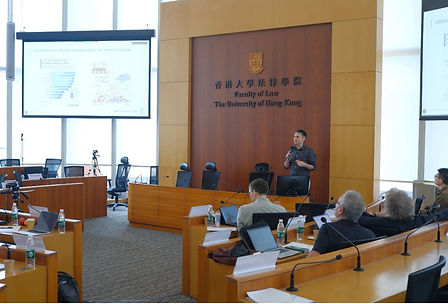
The 1st International Conference on Global Environmental Change and Sustainability Science was held in The University of Hong Kong from March 25 to 27, 2026. This conference is convened to foster interdisciplinary dialogue and scientific convergence in response to the multifaceted and pressing challenges of global environmental change and urban sustainability. Jointly organized by the Sustainability X-Lab of The University of Hong Kong and the HKU-SCF FinTech Academy of The University of Hong Kong, and co-organized with international partners including the Max Planck Institute of Geoanthropology, Arizona State University's School of Sustainability, and the Institute of Urban Environment, Chinese Academy of Sciences.
The core scientific objectives of the conference are threefold: firstly, promote interdisciplinary coordination and collaboration to address complex challenges within the fields of global environmental change and urban sustainability science; secondly, explore emerging themes to reframe theoretical frameworks and enhance the effectiveness of global sustainability practices; and thirdly, evaluate the current research landscape to define key scientific milestones and secure the collaborative and financial support required for impactful delivery.
The conference guided by a preeminent Scientific Advisory Committee, comprising globally recognized authorities in the field. This includes distinguished scholars such as Prof. Peng Gong (The University of Hong Kong), Prof. Chen Lin (The University of Hong Kong), Prof. Daniel M. Kammen (University of California, Berkeley), Prof. Franklin Carrero-Martinez (U.S. National Academy of Science), Prof. Peter Reich (University of Minnesota), and Academicians of the Chinese Academy of Sciences, notably Prof. Congqiang Liu, Prof. Bojie Fu, Prof. Yongguan Zhu, and Prof. Deliang Chen. The conference chair is Prof. Xiaoling Zhang, director of Sustainability X-Lab, HKU.
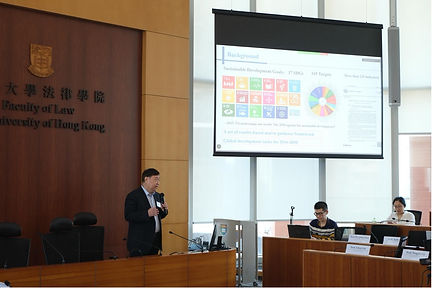
At the beginning of the conference, Professor Peng Gong, Vice-President (Academic Development) of The University of Hong Kong, outlined the University’s commitment to advancing sustainability science through interdisciplinary research, collaboration, and institutional action. He framed sustainability not merely as a scientific inquiry but as a systemic imperative, requiring the integration of Earth system science, governance, socio‑ecology, and financial innovation. Highlighting the University’s establishment of a dedicated academic campus to support this vision, he emphasized the inextricable link between human well‑being and the health of planetary systems. In closing, he called for strengthened international scientific cooperation across borders and disciplines to address global environmental challenges in an era of growing uncertainty.
In his welcoming remarks, Dr. Franklin Carrero-Martinez of the U.S. National Academies traced the conference’s origins to prior dialogues that catalyzed impactful collaborations, including his leadership of the Sustainability Roundtable. Framing the meeting’s purpose, he invoked a shared responsibility among scientists and citizens of both nations to foster productive, respectful discourse that advances critical solutions. Concluding, he expressed anticipation for the upcoming discussions and gratitude to the attendees for their participation.
Prof. Xiaoling Zhang, Director of the Sustainability-X Lab at The University of Hong Kong, delivered the opening address, welcoming attendees to the 1st International Conference on Global Environmental Change and Sustainability Science. She emphasized the conference’s mission to translate scientific knowledge into actionable solutions through interdisciplinary coordination, theoretical innovation, and research milestone-setting, and highlighted its role as a global platform for scholars, policymakers, and practitioners to collaboratively address pressing sustainability challenges.
Panel I: Sustainability Science, Renewable Investments, and the Dynamics of Global Environmental Change
Panel I was hosted by Prof. Xiaoling Zhang from The University of Hong Kong and Dr. Franklin Carrero-Martinez from The National Academy of Sciences, Engineering, and Medicine, U.S.A.
Professor Chen Lin, Vice-President and Pro-Vice-Chancellor (Business) of The University of Hong Kong, presented a study titled “Biodiversity Impacts of Renewable Energy.” In his presentation, he introduced a globally consistent assessment framework that integrates satellite imagery, STAR metrics, and habitat data. He demonstrated that solar power installations exert the most significant overall biodiversity footprint due to extensive land-use requirements, while hydropower projects are disproportionately situated in ecologically sensitive regions. He further proposed that ownership structures and financing mechanisms systematically influence these siting impacts. Critically, he argued that strategically avoiding a limited subset of developments in areas of high biodiversity significance could substantially mitigate the ecological costs of the energy transition without undermining global climate objectives.
Prof. Congqiang Liu, Academician of the Chinese Academy of Sciences, presented a work titled From System Cognition to System Response: Strategic Vision of Earth System Science and Earth System Engineering. In his conclusion, he emphasized that the systemic nature of global change demands a dual transformation of cognitive and response paradigms. He proposed that Earth System Science function as a “Diagnostic Tool,” revealing how human–nature coupling drives structural changes, identifying thresholds, feedbacks, cascading effects, and risk evolution, and providing a scientific basis for “safe operating space” and system governance. He further framed Earth System Engineering as an “Intervention Pathway,” translating system cognition into future-oriented engineering design and governance, promoting active shaping of “socio-ecological-technical” systems within planetary boundaries, and addressing uncertainty and cross-scale side effects through adaptive management. Together, he argued, these form the knowledge-action framework for humanity’s response to the Anthropocene challenge. Ultimately, he asserted that the Earth is an indivisible system; no part can be understood in isolation, nor intervened upon in isolation.
Q&A and Discussion
The discussion focuses on how to achieve effective and sustainable coordination across scales in human society and global governance through scientific insights and multi-level collaboration. Prof. Manfred Laubichler emphasizes that coordination research must include human factors and should be examined through historical, psychological, and collective behavior perspectives. Prof. Deliang Chen argues from an evolutionary perspective that coordination is a long-standing fundamental problem, with current challenges centered on scaling effective structures globally. Prof. Deliang Chen further notes, based on SDG experience, that global coordination requires scientific guidance combined with local implementation, with science acting as a unifying force. Dr. W. Christopher Carleton points out through historical and archaeological examples that large-scale coordination is possible but often temporary, suggesting a focus on manageable, goal-oriented efforts. Prof. Luis Bettencourt argues that coordination should not be overemphasized, as complex problems require diverse, bottom-up innovation rather than premature alignment. Dr. Franklin Carrero-Martinez advocates think globally, plan regionally, act locally, emphasizing the importance of scalable and transferable solutions.
Panel II: Global Environmental Change and Socio-Ecological Transitions
Panel II was host by Prof. Bojie Fu, Academician of the Chinese Academy of Sciences and Prof. Ben Benjamin P. Horton, Dean of the School of Energy and Environment, City University of Hong Kong.
Prof. Daniel M. Kammen, Member of the National Academy of Sciences, USA, and from the University of California, Berkeley, delivered a keynote titled “Innovation for Just Green Urban Communities.” In his address, he argued that the transition to renewable energy must be both technologically innovative and socially equitable. Drawing on cases from the U.S., Africa, and Asia, he showed how clean energy can advance justice and reduce vulnerability, especially in underserved regions. Kammen emphasized the role of AI and machine learning as practical tools for optimizing deployment and policy, rather than merely as predictive models. He presented future energy scenarios in which flexible renewables and large-scale storage—driven by rapidly declining solar costs—reshape electricity systems, as seen in California’s rapid storage adoption. Finally, he demonstrated how cross-sector and cross-border collaboration can accelerate an inclusive, just, and sustainable energy transition.
Q&A and Discussion
The discussion focuses on how to achieve effective and sustainable coordination across scales in human society and global governance through scientific insights and multi-level collaboration. Prof. Manfred Laubichler emphasizes that coordination research must include human factors and should be examined through historical, psychological, and collective behavior perspectives. Prof. Deliang Chen argues from an evolutionary perspective that coordination is a long-standing fundamental problem, with current challenges centered on scaling effective structures globally. Prof. Deliang Chen further notes, based on SDG experience, that global coordination requires scientific guidance combined with local implementation, with science acting as a unifying force. Dr. W. Christopher Carleton points out through historical and archaeological examples that large-scale coordination is possible but often temporary, suggesting a focus on manageable, goal-oriented efforts. Prof. Luis Bettencourt argues that coordination should not be overemphasized, as complex problems require diverse, bottom-up innovation rather than premature alignment. Dr. Franklin Carrero-Martinez advocates think globally, plan regionally, act locally, emphasizing the importance of scalable and transferable solutions.
Panel II: Global Environmental Change and Socio-Ecological Transitions
Panel II was host by Prof. Bojie Fu, Academician of the Chinese Academy of Sciences and Prof. Ben Benjamin P. Horton, Dean of the School of Energy and Environment, City University of Hong Kong.
Prof. Daniel M. Kammen, Member of the National Academy of Sciences, USA, and from the University of California, Berkeley, delivered a keynote titled “Innovation for Just Green Urban Communities.” In his address, he argued that the transition to renewable energy must be both technologically innovative and socially equitable. Drawing on cases from the U.S., Africa, and Asia, he showed how clean energy can advance justice and reduce vulnerability, especially in underserved regions. Kammen emphasized the role of AI and machine learning as practical tools for optimizing deployment and policy, rather than merely as predictive models. He presented future energy scenarios in which flexible renewables and large-scale storage—driven by rapidly declining solar costs—reshape electricity systems, as seen in California’s rapid storage adoption. Finally, he demonstrated how cross-sector and cross-border collaboration can accelerate an inclusive, just, and sustainable energy transition.
Prof. Deliang Chen, Foreign Academician of the Chinese Academy of Sciences, Tsinghua University, China, delivered a keynote speech titled “The Critical Role of High-Resolution Earth System Modeling in Risk Assessment.” He highlighted the escalating risks of climate change, including extreme weather, urbanization, and cascading hazards, citing IPCC projections showing intensified extremes under global warming. He stressed that military emissions, often overlooked, rival those of major economies and threaten climate targets. Chen also presented advances in high-resolution urban climate modeling (e.g., kilometer-scale systems), demonstrating significantly improved simulation accuracy (by ~50%) for urban heat and precipitation. He emphasized that robust Earth system modeling is essential for accurate risk assessment and informed adaptation strategies.
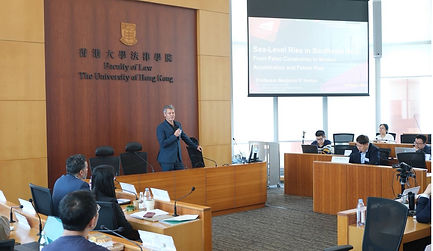
Prof. Ben Benjamin P. Horton, Dean of the School of Energy and Environment, City University of Hong Kong, delivered a keynote titled “Sea-Level Rise in Southeast Asia: From Paleo Constraints to Modern Acceleration and Future Risk.” He introduced the Asia Sea-Level Knowledge Hub (ASK-Hub) — a 5-year UNESCO-endorsed flagship programme under the UN Decade of Ocean Science (2021–2030). The hub focuses on five pillars: solid earth contributions, global/regional/local sea level, extreme sea level, future sea-level projections, and flood impact projections. Using paleo-climatic records, he demonstrated that the rate of sea-level rise during the modern era is unprecedented compared to the last 21,500 years, with peak rates occurring around 14,500 years ago. Horton emphasized that Southeast Asia, with its dense coastal populations and low-lying deltas, faces disproportionate future risk, necessitating urgent, localized adaptation and mitigation strategies grounded in robust sea-level science
Q&A and Discussion
The discussion centers on how to address climate change under deep uncertainty.
Prof. Rong Wang emphasizes that while climate change impacts like sea level rise are certain, the costs and feasibility of energy transition and mitigation remain highly uncertain. Prof. Daniel M. Kammen argues that the main barrier to energy transition is financial rather than technological, highlighting the high social cost of carbon and the need for greater investment in renewables. Prof. Shenjing He raises the issue of time lag, stressing that using present knowledge to predict the future creates gaps and uncertainties across both temporal and regional dimensions. Prof. Deliang Chen responds that predicting the future is inherently limited due to unpredictable innovation, as technology continuously reshapes society in unforeseen ways. Prof. Benjamin P. Horton points out that while the magnitude of climate change is well understood, the timing, especially rapid changes like ice sheet collapse, remains highly uncertain and challenging for planning. Prof. Daniel M. Kammen (second intervention) adds that uncertainty should not delay action, as innovation typically progresses by solving immediate problems rather than waiting for perfect future knowledge. Prof. Bojie Fu highlights the importance of addressing both mitigation and adaptation together in responding to climate change. Prof. Xiaoling Zhang concludes by emphasizing the significance of the session and encouraging continued dialogue on climate change challenges.
Panel III: Urban Metabolism, Socio-Ecological Complexity, and ESG: Pathways to Sustainable Urban Futures
Panel III was hosted by Prof. Manfred Laubichler, Arizona State University and Prof. Patrick Roberts, Max Planck Institute of Geoanthropology.
Prof. Luis Bettencourt, University of Chicago, delivered a keynote titled “Key Questions in Sustainable Urbanization and Growth: Opportunities from International Comparative Studies.” He framed urbanization as a fundamental driver of development, arguing that it acts as a catalyst for connectivity, knowledge division, innovation, and institutional capacity. Using cross-country comparisons, he demonstrated that China’s urbanization trajectory has outperformed other nations, prompting critical questions about its next phase. Bettencourt emphasized that cities are the natural scale for implementing sustainable solutions, citing examples like slum upgrading and infrastructure equity in sub-Saharan Africa. He also highlighted the importance of standardized metrics for global city comparisons and introduced Ostrom’s Law — the principle that if a governance model works in practice, it can inform theory — to advocate for diverse, adaptive, and iteratively refined urban strategies.
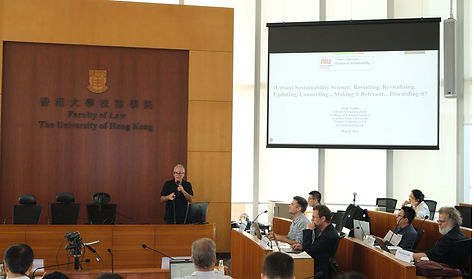
Prof. Jose Lobo, Arizona State University, delivered a keynote titled “From Agglomeration to Adaptation: Rethinking Cities for Sustainable and Climate Resilient Development.” He framed cities as complex, interconnected social-ecological-technological systems central to human well-being and climate action. Lobo emphasized the evolution of urban sustainability science, which now prioritizes advancing the well-being of people and the planet through transformative urban systems. He advocated for a convergence of knowledge across disciplines and sectors, citing the UN’s focus on leveraging synergies between climate and SDG goals. Lobo also presented new research imperatives: understanding how urban agglomerations drive development while facilitating climate adaptation, and addressing the critical question of whether existing actions suffice or if cities must fundamentally reimagine themselves to balance adaptation costs with development benefits.
Prof. Wenzhi Ding, Hong Kong Polytechnic University, delivered a keynote titled “Inflation makes people more pessimistic about ESG.” He presented empirical evidence using Twitter sentiment analysis, revealing that inflation exerts divergent impacts on Environmental, Social, and Governance (ESG) attitudes in different regions. In Europe, rising inflation intensifies ESG polarization, leading to increased negative and positive tweets but fewer neutral ones, reflecting a split in public opinion. Conversely, in the US, inflation triggers an ESG backlash, characterized by more negative and neutral tweets alongside a decline in positive sentiment. Ding attributed these divergent trends to the nature of inflationary experiences. In contrast, US households primarily face universal inflation, resulting solely in backlash. The study concluded by emphasizing that policymakers and industry stakeholders must understand not only the existence of inflation but also its underlying causes when addressing citizens’ and customers’ attitudes toward ESG.
Q&A and Discussion
The discussion explores how to respond to climate change by balancing mitigation costs, technological innovation, and uncertainty. Dr. W. Christopher Carleton emphasizes that climate change impacts are certain and severe, but adaptation will be costly and difficult, making mitigation through energy transition essential yet uncertain. Prof. Jose Lobo raises concerns about the feasibility and cost of replacing fossil fuels with renewable energy, especially given uncertainties in energy systems and substitution limits. Prof. Daniel M. Kammen argues that the key challenge is not technology but financing, highlighting the high social cost of carbon and the need to shift investment from fossil fuel subsidies to clean energy. Prof. Manfred Laubichler points out that future prediction is fundamentally limited due to unpredictable innovation, as technological change continuously reshapes society in unforeseen ways. Prof. Patrick Roberts stresses that while climate change magnitudes are well understood, the timing of impacts such as rapid ice sheet collapse remains highly uncertain and difficult for planning. Prof. Xiaoling Zhang underscores the importance of integrating mitigation and adaptation in climate strategies and recognizes the significance of the session's discussions. Prof. Luis Bettencourt argues that uncertainty should not delay action, emphasizing that innovation progresses by addressing immediate problems rather than waiting for complete future knowledge.
Panel IV: Human-Environment Co-evolution, Planetary Health, and. Environmental Economics: Charting a Course for Global Sustainability
Panel IV was hosted by Prof. Patrick Roberts, Max Planck Institute of Geoanthropology and Prof. Weiqi Zhou, Chinese Academy of Sciences.
Prof. Zhu Liu, Tsinghua University, delivered a keynote titled “The Near Real-Time Earth Simulator,” introducing a novel quantitative model that captures socioeconomic dynamics with granular, high-frequency data. Using the ground transport sector as a case study, Liu’s model analyzes continuous hourly data from diverse sources—including APIs, crawlers, and government data—to establish robust correlations between vehicle flow, carbon emissions, and fuel consumption. The simulator visualizes complex interactions, such as the relationship between traffic congestion indices and actual versus estimated traffic flows across 57 countries and 416 cities. Liu contextualized recent global carbon emission trends, citing a 2023 Nature Reviews Earth & Environment study that reported a 1.0 Gt CO₂ rise, with China contributing 33%, the US 14%, and India 8%. Through this work, he demonstrated how near‑real‑time data and statistical modeling can transform emissions monitoring and enhance the scientific basis for climate‑informed policy.
Prof. Yongguan Zhu, Chinese Academy of Sciences, delivered a keynote titled “Urban Health and Microbiome,” emphasizing the critical yet overlooked role of urban microbiomes in human health and sustainable city planning. He highlighted how microbial biodiversity, particularly in soil-plant-air continuums, profoundly influences human immunity and well-being, citing landmark studies that link environmental microbiota to conditions like atopic diseases. Zhu proposed that Nature-based Solutions (NbS) must explicitly address the microbiome to fully realize their co-benefits for resilient, climate-smart cities. He argued that future scientific efforts should focus on understanding the dynamics of urban microbes and their impacts on human health to serve urban sustainability.
Prof. Shihua Qin, Lingnan University, delivered a keynote titled "The Environmental Cost of Privatization," in which he presented findings from a study investigating the environmental impact of State-Owned Enterprise (SOE) privatization, specifically examining how privatization alters firm-level pollutant emissions, the underlying mechanisms, and the real externalities on broader society. The research identified two primary mechanisms driving this outcome: weakened compliance pressure due to insufficient regulatory oversight and high pollution-abatement costs, particularly for firms facing financial constraints or intense market competition. Beyond firm-level emissions, the study quantified real externalities, demonstrating that privatization activities are associated with elevated regional carbon emissions and adverse public health outcomes. The findings suggest that ownership reforms, while aimed at economic gains, must be coupled with stronger environmental monitoring and enforcement mechanisms to mitigate negative environmental and public health impacts.
Q&A and Discussion
This discussion explores how to balance technological optimism with institutional inertia, emphasizing intergenerational dialogue, learning from global experiences (especially China), and moving beyond anti-urban bias to harness cities as engines of change.
Dr. W. Christopher Carleton highlights that while the session covered a range of imperfect tools from carbon monitoring to urban planning, the core challenge lies in co-creating the future through better dialogue between disciplines and generations, and rethinking how we value inclusive growth beyond traditional metrics like GDP.
Prof. Daniel M. Kammen argues that there are strong reasons for optimism due to a spectacular, fast-paced technological transition (e.g., solar energy) and new data capabilities, suggesting that solutions are increasingly driven by cities, businesses, and grassroots actors rather than just state-level processes.
Prof. Patrick Roberts points out that sustainability science has been largely ahistorical, but stresses that learning from the past is crucial, as human societies have long faced existential crises, and understanding the origins of the local-global disconnect in decision-making is key to rebuilding shared value systems.
Prof. Jose Lobo notes that innovation thrives on decentralized experimentation, as seen in China's historical use of special economic zones, where learning from local successes drives broader change.
Dr. Franklin Carrero-Martinez emphasizes that focusing on what research the scientific community needs to do is more productive than reiterating known challenges, suggesting that a shared value system and scientific goals, even pursued through ad-hoc innovative groups, can help bridge local and global environmental concerns.
Prof. Xiaoling Zhang underscores the importance of integrating mitigation and adaptation strategies, using China's "three red lines" (for farmland, ecology, and urban growth) as an example of a governance approach that balances urban development with ecological protection through spatial planning.
Prof. Deliang Chen suggests that the IPCC's success stems from its intergovernmental nature, and that future solutions require a co-design process that integrates scientific knowledge with input from practitioners and proactive government officials, highlighting resilience as a key framing concept.
Prof. Manfred Laubichler introduces a broader perspective by questioning whether humans are the primary agents of climate change, suggesting we expand the notion of agency to include microbes, and playfully reminds the group that nature's role may be more significant than assumed.
Prof. Luis Bettencourt argues that uncertainty should not delay action, advocating for trust in our collective ability to learn from each other.
Panel V: Climate Risks, Sustainable Development and Green Finance
Panel V was hosted by Prof. Mingzhu Tai, The University of Hong Kong.
Prof. Peter Reich, University of Minnesota, delivered an online keynote titled Hope on a Changing Planet: Science, Democracy, Nature, and Us. In this opening talk of Panel V, Prof. Reich appeared to position climate and sustainability not only as scientific challenges, but also as civic and institutional ones. From the title and the conference notes, the talk seems to have emphasized the relationship between ecological change, public trust in science, democratic decision-making, and the role of human agency in shaping environmental futures. Rather than treating climate change as a purely technical problem, the framing suggested a broader reflection on how societies build hope under conditions of uncertainty and accelerating planetary change.
Prof. Weiqiang Chen, Institute of Urban Environment, Chinese Academy of Sciences, spoke on Material-saving strategies for decarbonizing the global building stock. Prof. Chen’s presentation addressed decarbonization from the perspective of urban material stocks, shifting attention from operational energy alone to the physical basis of urbanization itself. He showed that global building stock is expected to continue expanding substantially by 2050, with especially rapid growth in China, India, and parts of Africa, and argued that this future urbanization will require enormous quantities of cement, steel, aluminum, and other construction materials. A particularly strong part of the talk was his distinction between countries where material demand is driven mainly by new construction and those where it is increasingly shaped by renovation. He then proposed a set of “material-saving wedges,” including reduced demand for excessive floor space, lifespan extension, material substitution, reuse and recycling, and prefabrication. The key message was ultimately optimistic: if these strategies are combined seriously, cities could continue to urbanize while sharply lowering the material footprint of the built environment, even approaching a zero-growth scenario for construction mass.
Prof. Rong Wang, Fudan University, presented Potential Impacts of Infectious Disease Outbreaks on Crop Production, Global Warming, and Biodiversity, and Their Mitigation Measures. Prof. Wang’s talk stood out for linking public health shocks to Earth system outcomes through a concrete material and land-use lens. She argued that pandemics should not be treated as isolated medical events, because the response to infectious disease outbreaks reshapes production, consumption, land demand, emissions, and biodiversity. Using the COVID-19 period as an empirical anchor, the presentation traced how surges in masks, non-woven fabrics, hand sanitizers, and gloves translate into additional demand for cotton, corn, and natural rubber, which in turn can compete with food production and place extra pressure on land systems. From there, the talk connected pandemic-related production chains to atmospheric CO2 concentrations and biodiversity loss, especially through cropland expansion and warming-related pressures. The broader contribution of the talk was to show that public health security, food security, climate risk, and biodiversity decline are deeply entangled, and that future mitigation strategies need to be designed with those cross-system feedbacks in mind.
Q&A and Discussion
This discussion centers on the role of global coordination in achieving the SDGs, arguing that current visions of global coordination are overly idealistic and overlook the complexity of human behavioral change, which requires deeper input from disciplines such as anthropology, sociology, and psychology; speakers highlight that while coordination works at smaller scales, it faces fundamental limits at the global level due to issues like scalability and information flow, and historical examples show that large-scale coordination is possible but often temporary; therefore, some participants advocate for emphasizing diversity, bottom-up innovation, and experimentation rather than premature top-down coordination, while stressing the need for collaboration among scientists, policymakers, and stakeholders.
Panel VI: Urban Sustainability Science and Conplexity Science
Panel VI was hosted by Prof. Deliang Chen, Foreign Academician of the Chinese Academy of Sciences, Tsinghua University. Ane Prof. W. Christopher Carleton, Max Planck Institute of Geoanthropology.
Prof. Xiaoling Zhang, The University of Hong Kong, delivered a keynote on Sustainability Science in the Anthropocene. Prof. Zhang’s talk was ambitious in scope and functioned almost as a conceptual map for the whole conference. She framed cities as socio-ecological systems whose sustainability cannot be understood through static indicators alone, but through dynamic interactions across time, space, infrastructure, metabolism, and governance. A major through-line of the talk was the idea of social-ecological synchronization in the Anthropocene: the acceleration of social, technological, and urban processes is increasingly coupled with rapid changes in carbon emissions, biodiversity, oceans, and biogeochemical cycles. She also emphasized cities as sites where scaling laws, inequality, spatial heterogeneity, shrinking and growth, and sustainability “trilemmas” become visible at once. Toward the end, the talk moved from diagnosis to intervention, arguing that sustainability requires identifying urban tipping points and acting through low-carbon transitions, technological breakthroughs, and physically informed digital twins such as TwinPolluNet. Overall, her presentation reframed urban sustainability as active entropy management within complex, evolving socio-ecological systems.
Prof. Patrick Roberts, Max Planck Institute of Geoanthropology, spoke on The Urban Past as a Reservoir of Data, Measurement, and Process. Prof. Roberts argued that the urban past should not be treated as a static archive of ruins, but as a source of structured evidence for understanding long-term urban dynamics and sustainability. The talk brought archaeology, historical urbanism, and Earth system thinking into the same conversation. He highlighted efforts to quantify urbanization across archaeological and historical contexts, especially through new databases such as URBANK, which can capture spatial coordinates, occupation histories, and settlement persistence across time. This allows researchers to move beyond descriptive narratives and instead compare urban trajectories systematically. Another compelling thread in the talk was the distinction between compact and low-density forms of urbanism and how different urban morphologies interact with land use, forest boundaries, and fire risk. In the end, the presentation advocated for “usable pasts”: not nostalgia, but analytically rigorous historical knowledge that can help contemporary urban science understand long-run path dependence, scaling, and city–land–Earth system interactions in a deeper way.
Prof. Weiqi Zhou, Research Center for Eco-environmental Sciences, Chinese Academy of Sciences, presented A scaling law for cooling efficiency prediction. Prof. Zhou’s talk addressed a very practical urban climate question: how much cooling can cities expect from increasing urban tree canopy cover? He pointed out that most existing knowledge is generated at neighborhood or patch scales, whereas planners need guidance at the scale of the whole city. To bridge that gap, he introduced the concept of cooling efficiency—the amount of temperature reduction associated with a 1% increase in urban tree canopy—and showed that this quantity follows a power-law scaling relationship across four cities with very different climatic settings: Shenzhen, Beijing, Baltimore, and Sacramento. That result is important because it makes tree-based cooling more predictable at planning scales, rather than leaving it as a patchwork of local case studies. He also showed that the scaling exponent varies by city and weather context, with weaker scaling in the more fragmented and arid Sacramento case. The talk combined ecological scaling theory with direct planning relevance, offering a useful tool for setting urban tree canopy targets under growing heat risk.
Panel VII: Key Scientific Milestones and Collaborative & Financial Support for Sustainable Urban Future (II)
Panel VII was hosted by Prof. Xiaoling Zhang, The University of Hong Kong, and Prof. Luis Bettencourt, University of Chicago.
The discussion continues with questions about climate change strategy. The speakers agree that impacts like sea level rise and tipping points are quite certain. However, both adaptation and mitigation will be costly and difficult. Some participants question whether it is realistic to stop using fossil fuels quickly. They point out that renewable energy and new technologies such as storage, fusion, and geoengineering may help, but the main challenge is money rather than technology. For example, global investment in clean energy is much lower than the subsidies still given to fossil fuels.The discussion also focuses on uncertainty about the future. Speakers explain that it is hard to predict long term outcomes because of time lag and missing information. Innovation plays a key role, but it cannot be predicted. New technologies can change society in unexpected ways. Scientists can estimate the scale of changes, such as how much sea levels may rise, but they cannot say exactly when these changes will happen. This makes planning more difficult.Despite these uncertainties, some speakers argue that we should not wait for perfect knowledge. They believe it is better to act on current problems and improve solutions over time. Innovation can help solve future challenges step by step. The session ends by stressing the need for flexible and adaptive strategies, continued discussion, and cooperation across different levels, while recognizing both the urgency of climate change and the limits of human prediction.
Panel ⅦI: AI Nudges and Smart Cities
Panel VIII was hosted by Prof. Jingfang Fan, Beijing Normal University and Prof. W. Christopher Carleton, Max Planck Institute of Geoanthropology.
Prof. Jingfang Fan, Beijing Normal University, spoke on Complexity Science Meets Earth System. Prof. Fan’s keynote brought a strong complexity-science perspective into Earth system research. His central proposition was elegant: although the Earth system is extraordinarily complex, many of its large-scale behaviors may still be governed by relatively simple organizing rules. She used tipping phenomena, self-organization, phase transitions, and critical behavior as the conceptual bridge linking statistical physics with climate and environmental systems. A major focus of the talk was the use of climate networks—representing regions or variables as nodes linked by correlations or causal relations—to uncover hidden structures, propagation pathways, and teleconnections in the climate system. She also discussed entropy-based measures for characterizing climate complexity and showed how these tools can improve understanding of ENSO, monsoons, atmospheric circulation, pollution interactions, and climate tipping elements. Particularly notable was his work on Amazon–Tibetan Plateau teleconnections and early-warning signals in the Tibetan Plateau. The talk closed by arguing that the future of Earth system science lies in combining complex systems theory with AI, big data, and physics-guided machine learning.
Prof. Xiaojuan Qi, The University of Hong Kong, gave a keynote titled 3D representations for world modeling and generation. Based on the conference materials, Prof. Qi’ s talk appears to have focused on the emerging role of three-dimensional representations in large-scale world modeling and generative systems. Although I do not have the full slide deck in the files currently available, the title itself suggests a presentation at the intersection of spatial computing, computer vision, and urban or environmental digital representation. In the context of the conference—and especially following the session on AI nudges and smart cities—the talk likely contributed a technical perspective on how complex real-world environments can be encoded, reconstructed, and simulated in digital form. This is especially relevant for smart-city applications, digital twins, generative urban modeling, and new modes of human–machine interaction with spatial environments. Even from the limited materials available, the talk seems to have added an important computational dimension to the day’s broader theme: how advanced data representations can support more intelligent, scalable, and actionable understandings of complex urban and planetary systems.
Prof. Difang Huang, Chinese Academy of Sciences and The University of Hong Kong, delivered a keynote titled Rewriting the Code: How Algorithmic Nudges Shape Worker Productivity? Prof. Huang presented one of the most empirically sharp talks of the day, using a randomized field experiment to examine whether hostile workplace communication suppresses women’s productivity in technology teams. The study followed 539 engineers across 50 teams over 12 months and introduced an AI communication tool that privately flagged high-severity toxic messages and suggested more professional rewrites before they were sent. The findings were striking: toxic communication fell by around 7–8%, overall productivity improved by roughly 10–13%, and women’s gains were much larger than men’s, closing more than half of a pre-existing gender productivity gap. Importantly, the talk did not reduce the issue to attitude or morale alone; the mechanism analysis pointed to psychological safety, lower burnout, and reduced turnover intention, especially for female employees. The presentation made a strong case that inequality in STEM workplaces is shaped not only by who workers are, but by the environments in which they are asked to perform.
Panel Ⅸ: Deep-time Sustainability Science and System Resilience
Panel IX was hosted by Prof. Jose Lobo, Arizona State University.
Prof. Manfred Laubichler, Arizona State University, presented Evolutionary Perspectives on the Past, Present, and Future of Cities as Complex Systems. Prof. Laubichler offered a highly conceptual but surprisingly grounded keynote that reinterpreted cities through the lens of extended evolutionary theory. He argued that cities should be understood not merely as settlements or economic agglomerations, but as major evolutionary transitions—platforms that reorganize information flow, specialization, regulation, and innovation. A key idea in the talk was that major transitions, whether biological, social, or technological, emerge when new platforms create new spaces of possibility. In that sense, cities are platforms for social, cultural, and technological evolution, and the broader technosphere can be seen as a “superorganism of cities.” He linked this theoretical framing to the dynamics of the Anthropocene, suggesting that unbounded growth requires accelerating cycles of innovation to avoid collapse, but that our current governance, education, and decision systems remain poorly matched to the complexity of the crises we face. His final move toward Decision Theater was important: the talk did not stop at theory, but pointed toward new decision-support environments for navigating complexity in practice.
Prof. W. Christopher Carleton, Max Planck Institute of Geoanthropology, spoke on Modelling the latent human influence field at Koh Ker, Cambodia. Prof. Carleton’s presentation was methodologically inventive and intellectually distinctive. Using the archaeological landscape of Koh Ker, Cambodia, he introduced the idea of a latent human influence field—a way of inferring the spatial intensity of past human activity from indirect traces rather than relying only on visible structures. The talk moved beyond conventional site mapping by drawing attention to signals such as artifact concentrations, magnetic anomalies, isotopic ratios, and geochemical markers, all of which can preserve the imprint of human occupation and land use over time. What made the talk especially interesting in the context of this conference was its bridge-building quality: it connected archaeological spacetime analysis with contemporary urban science, where researchers likewise infer human activity from mobile phones, transactions, traffic flows, and energy consumption. In that sense, the presentation was not simply about an ancient Cambodian city. It proposed a broader methodological conversation about how urbanism can be modeled across radically different temporal scales using latent spatial signatures of human influence.
Q&A and Discussion
This discussion centers on the definition and measurement of sustainability. Participants criticized the common view that eco-friendly products are more expensive. They pointed out that many ecological alternatives are already cheaper, especially when social costs such as carbon emissions are included. Speakers then highlighted the problem of time discounting. Standard models use exponential discount rates, which ignore long term risks. These models fail to capture how people actually value the future, because people's views of the future change with age, needs, and circumstances. Despite these challenges, speakers called for practical action, flexible adaptation strategies, and continued dialogue. They recognized both the urgency of sustainability problems and the limitations of current models and definitions.
Panel Ⅹ: Urban Systems, Complexity, and Earth Surface Dynamics
Panel X was hosted by Prof. Luis Bettencourt, University of Chicago.
Prof. Zhenzhong Zeng, Southern University of Science and Technology, presented Nonlinear feedbacks in coupled Earth system spheres. Prof. Zeng’s keynote focused on one of the most pressing questions in contemporary climate science: why recent warming appears to be accelerating, and why a simple linear response to rising CO2 is no longer an adequate explanation. He argued that the answer lies in a web of nonlinear feedbacks across coupled Earth system spheres, spanning the atmosphere, oceans, vegetation, soil moisture, and large-scale climate variability. The talk moved from classical mechanisms such as water vapor feedback to more recent work on marine heatwaves, ENSO-related Bjerknes feedbacks, and land–ocean biophysical coupling. A particularly interesting part of the presentation centered on Australia, where vegetation greening may amplify either wet or dry equilibria depending on SST conditions, creating sharply different climate trajectories and even increasing wildfire risk after shifts from wet to dry states. Prof. Zeng concluded by proposing that similar vegetation–soil moisture–evapotranspiration feedbacks may be missing pieces in current understandings of global warming and potential tipping behavior.
Prof. Michael Batty, University College London, delivered an online keynote titled Digital Twins and Complex Urban Systems. Prof. Batty’s talk, as listed in the conference program, brought the discussion of urban complexity into the increasingly important domain of digital twins. Although I do not have his full slide deck in the files currently available, the title and session context make the direction of the talk quite clear: digital twins were presented as a way to represent cities not as static built forms, but as evolving, data-rich, interconnected systems shaped by infrastructure, mobility, environment, and human behavior. In the context of Panel X on urban systems, complexity, and Earth surface dynamics, the talk likely emphasized the value of digital twins for integrating multi-source urban data, simulating system behavior, and supporting planning under uncertainty. This aligns closely with Prof. Batty’s long-standing work on cities as complex systems. In the program flow, his keynote served as a natural bridge between theoretical urban complexity and practical computational tools for urban analysis and governance.
Q&A and Discussion
This discussion explored how to advance sustainable development and urban transformation by better connecting science, policy, and society. Participants emphasized that while many analytical tools exist, they are imperfect and must be combined thoughtfully. There were contrasting views on whether change should come from large coordinated systems or smaller, faster innovation efforts, alongside a shared call for stronger interdisciplinary, cross-generational, and cross-sector collaboration. Experts highlighted the need to rethink how value is measured beyond traditional economic indicators, to learn more concretely from historical experience, and to address the growing disconnect between local realities and global decision-making. They also noted that technological advances create real opportunities, while cities, businesses, and emerging economies are becoming central drivers of change. Overall, the discussion underscored that there is no single pathway forward, and that sustainable progress will require continuous experimentation, mutual learning, and closer integration between knowledge, practice, and governance.
Advancing Urban Sustainability: Launch Ceremony for the White Paper on Sustainable Hong Kong and Panel Discussion on Financing Sustainable Cities in an Era of Global Environmental Change
The closing session, moderated by Prof. Xiaoling Zhang of The University of Hong Kong, focused on the launch of the White Paper on Sustainable Hong Kong and a panel discussion on financing sustainable cities under global environmental change.
This session brought the day’s scientific discussions into a more strategic and policy-oriented register. Centered on the newly launched white paper, it framed Hong Kong as a high-density coastal metropolis whose path to sustainability depends on linking decarbonization, resilience, social inclusion, and regional collaboration rather than treating them as separate agendas. The discussion highlighted several core transition pillars, including cleaner electricity, building retrofits, green mobility, circular economy development, ecological protection, and a just urban transition. Just as importantly, the panel appears to have emphasized that such transformations are not only technical challenges but also financing and governance challenges: large-scale change requires investment frameworks, institutional coordination, and practical implementation pathways extending to 2050. As a concluding event, the session worked well as a bridge between academic analysis and actionable urban strategy, positioning Hong Kong as both a case study and a possible model for sustainable coastal urbanism.